

Wow, what a week to bring back an investing newsletter. Anthropic dropped its S-1, Brazil elections sent markets into chaos, earnings season is in full swing. Let’s just get into some data.
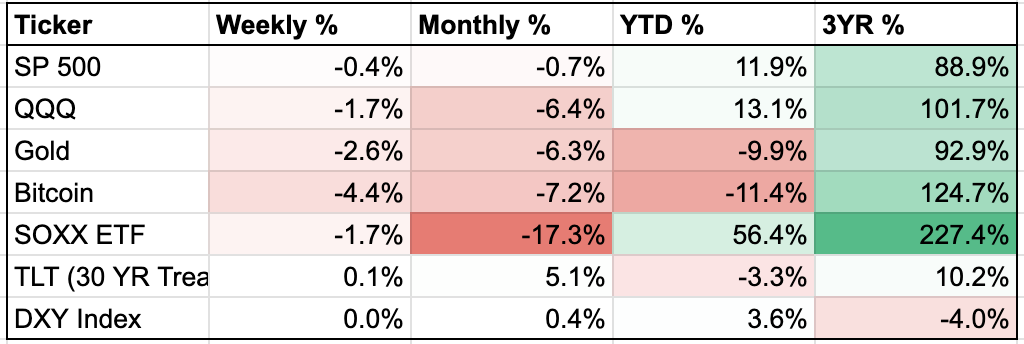
Anthropic Files its S-1
Unless you were under the ocean for the past week, you probably saw that Anthropic dropped its S-1. To help investors put context around how truly and astonishing an IPO it is, we put a dashboard together on all things Anthropic. Here’s some quick trivia facts
Anthropic’s Net Revenue Retention of ~900% is nearly six times the best software IPO
Post IPO, Anthropic would have one of the largest cash hoards of ANY company
Y/Y revenue growth of 1,088% would be the largest for a large cap tech IPO
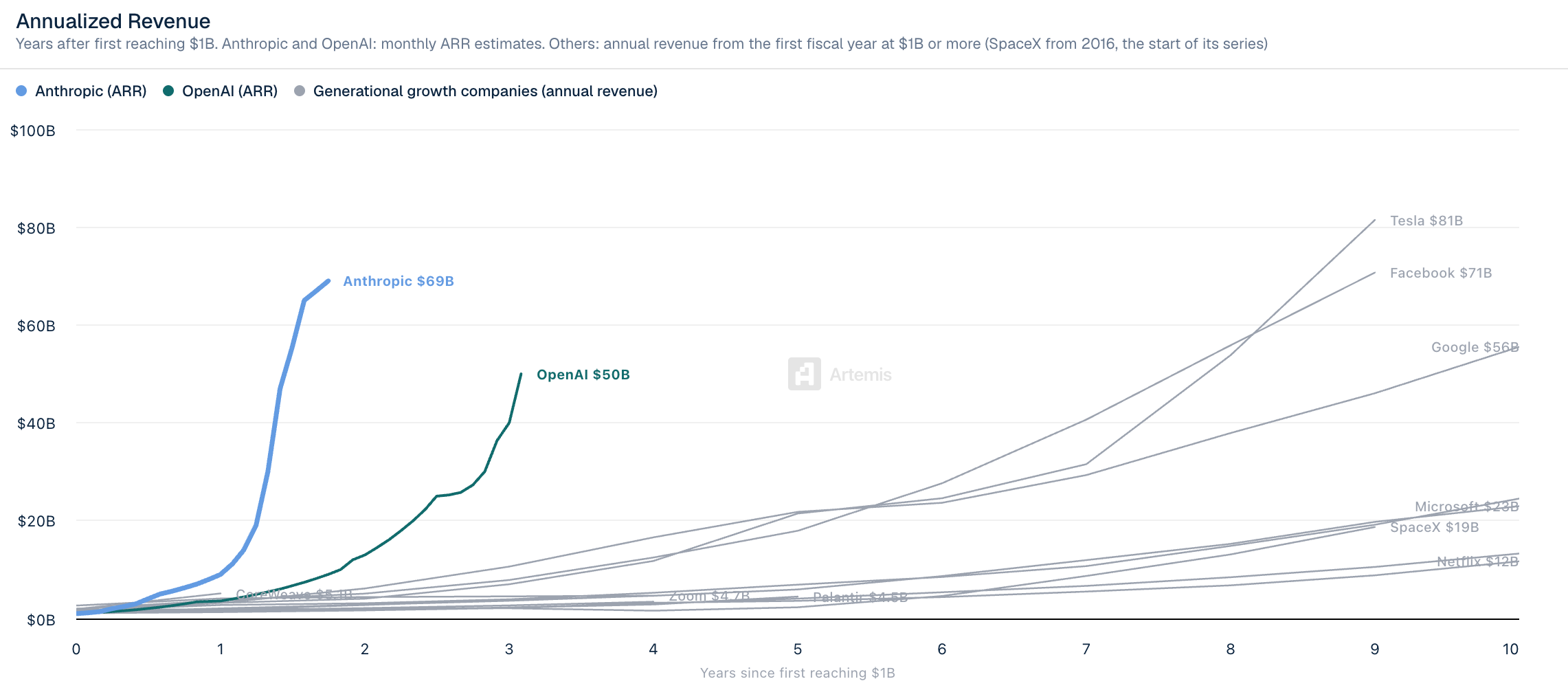
Finally, the growth of revenue at the AI labs is truly astonishing. Both Anthropic and OpenAI have eclipsed $50bn of ARR, well before other tech companies.
Google Delivers a Spooky Earnings Report
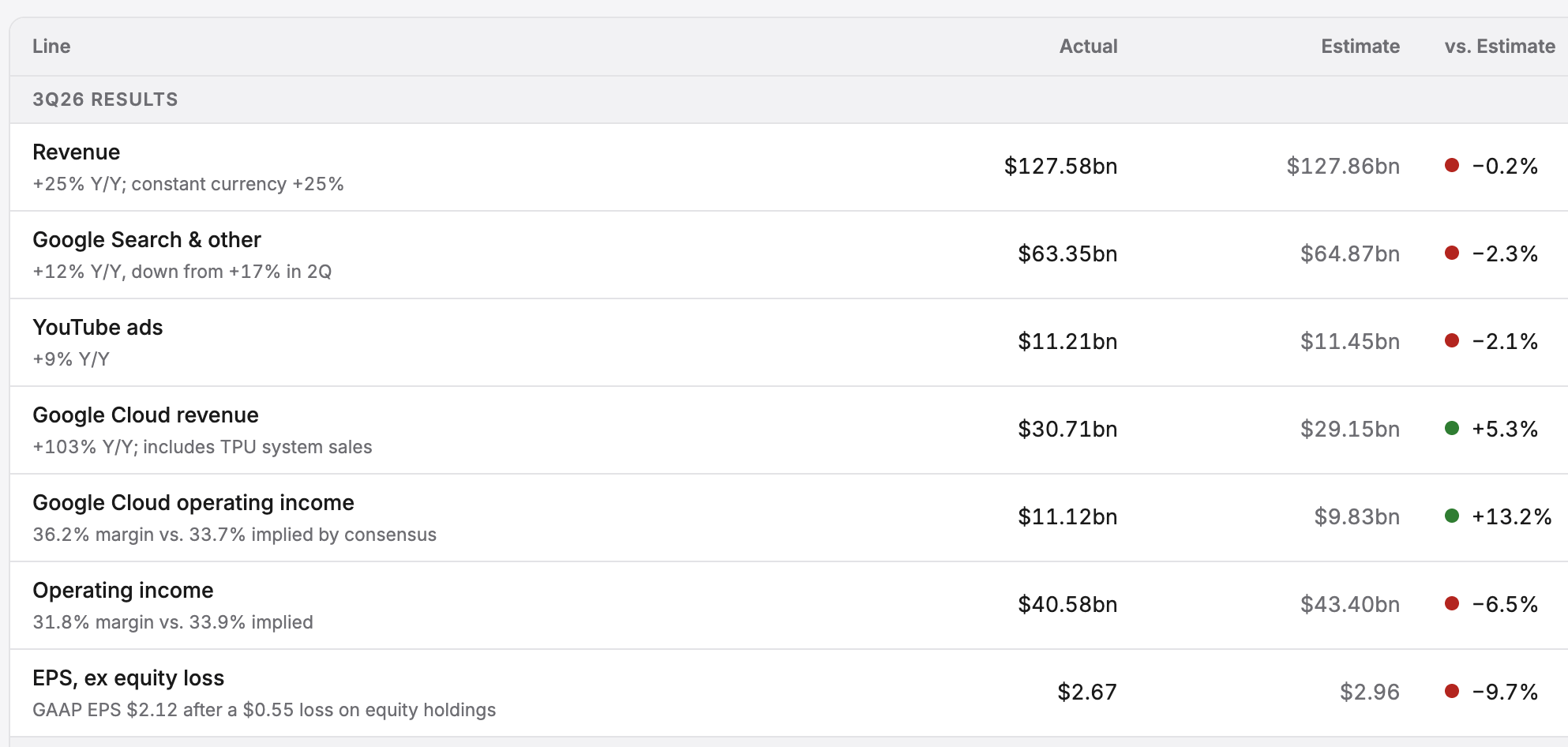
Google gave investors two things they don’t like: uncertainty and lower growth rates. While overall Google reported revenue within 0.2% of estimates, search revenue came in 2.3% below estimates. Google search revenue growth rate fell from +16.8% in 2Q to +12.0% in 3Q, much steeper than analyst expectations of 13-14%. While Google said FX headwinds contributed the largest decline, Google is facing significant doubt from investors that AI mode can deliver a similar ad load and monetization opportunity.
Google Q3 Earnings - Actual vs Consensus
Second, uncertainty. While Google maintained guidance on CAPEX spend in 2026, it said it expects CapEx to increase significantly during 2027. Here’s the full quote:
“Given the supply constraint environment, we started utilizing third party compute capacity at the end of Q3 and will ramp usage in Q4. We expect margin headwinds in the near term as we utilize this capacity. Moving to investments, our full year 2026 CapEx guidance range of 195 to $205 billion remain unchanged. We continue to expect our CapEx to increase significantly in 2027, and will provide further details on our Q4 call”
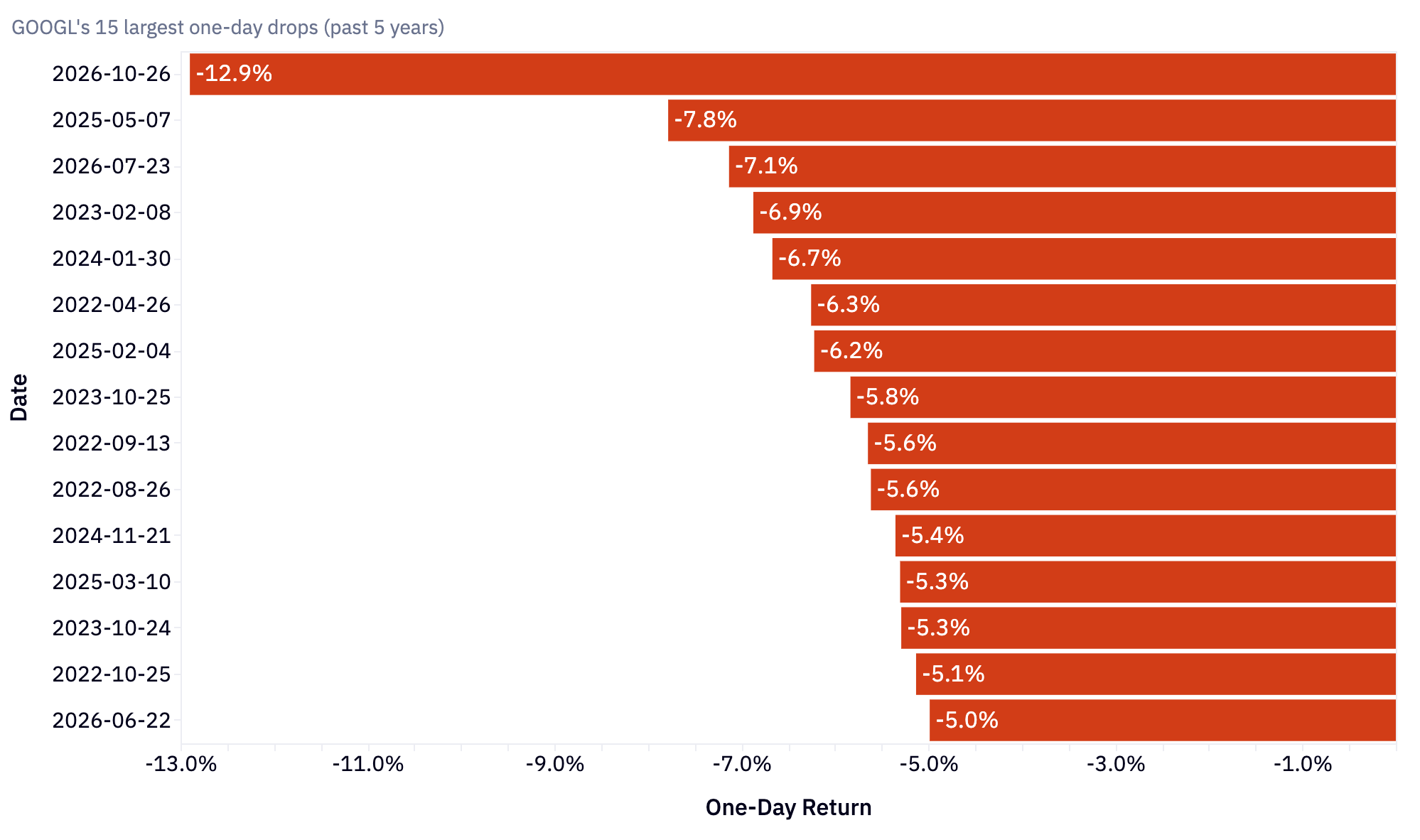
The combination sent Google stock down 12%, its largest single-day drop in five years.
Google Largest 1 Day Declines Past 5 Years
Other Earnings of Note
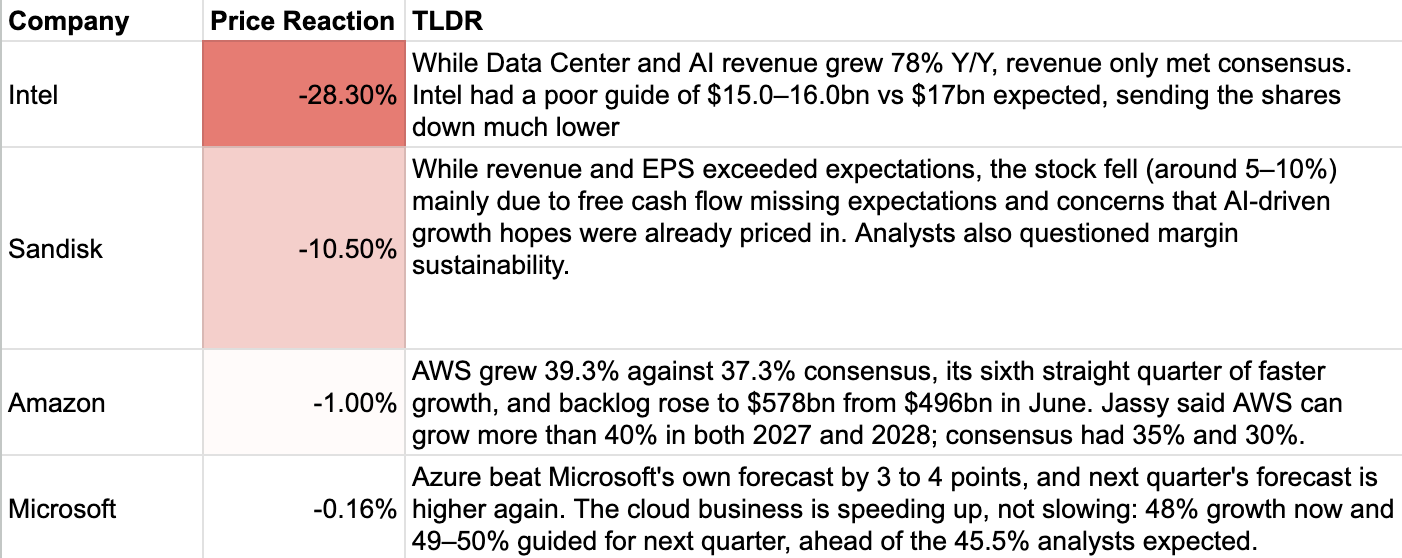
Brazil Market Has Massive Drawdown
In a stunning upset, President Luiz Inácio Lula da Silva won a close election to be Brazil’s next president. Financial markets did not take kindly to the news and Brazil markets tumbled. EWZ, Brazil’s most actively traded ETF fell over 20% and was one of the largest declines in country-specific ETFs ever. The Brazil small-cap index fell even further, down over 30% in one day
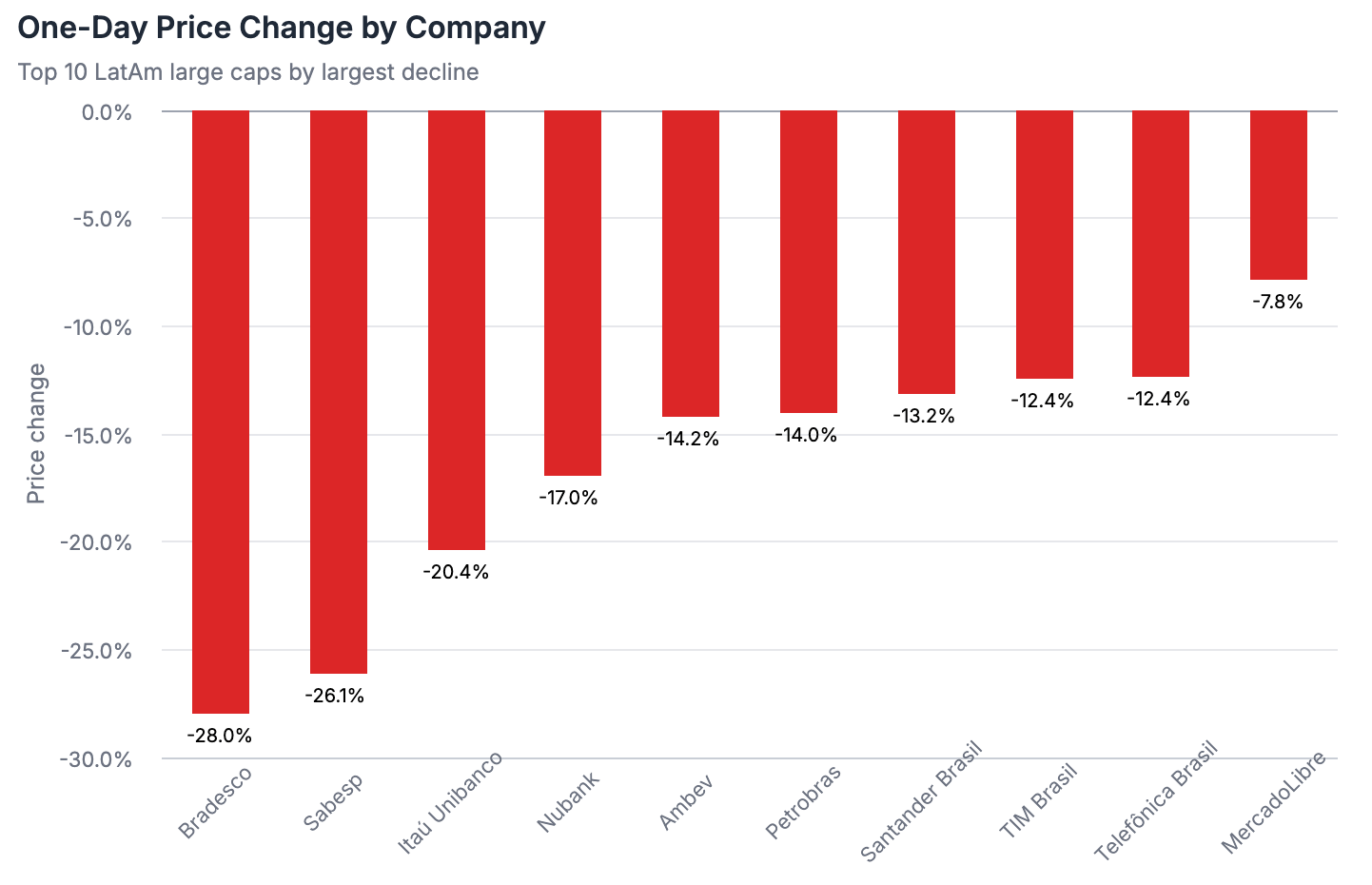
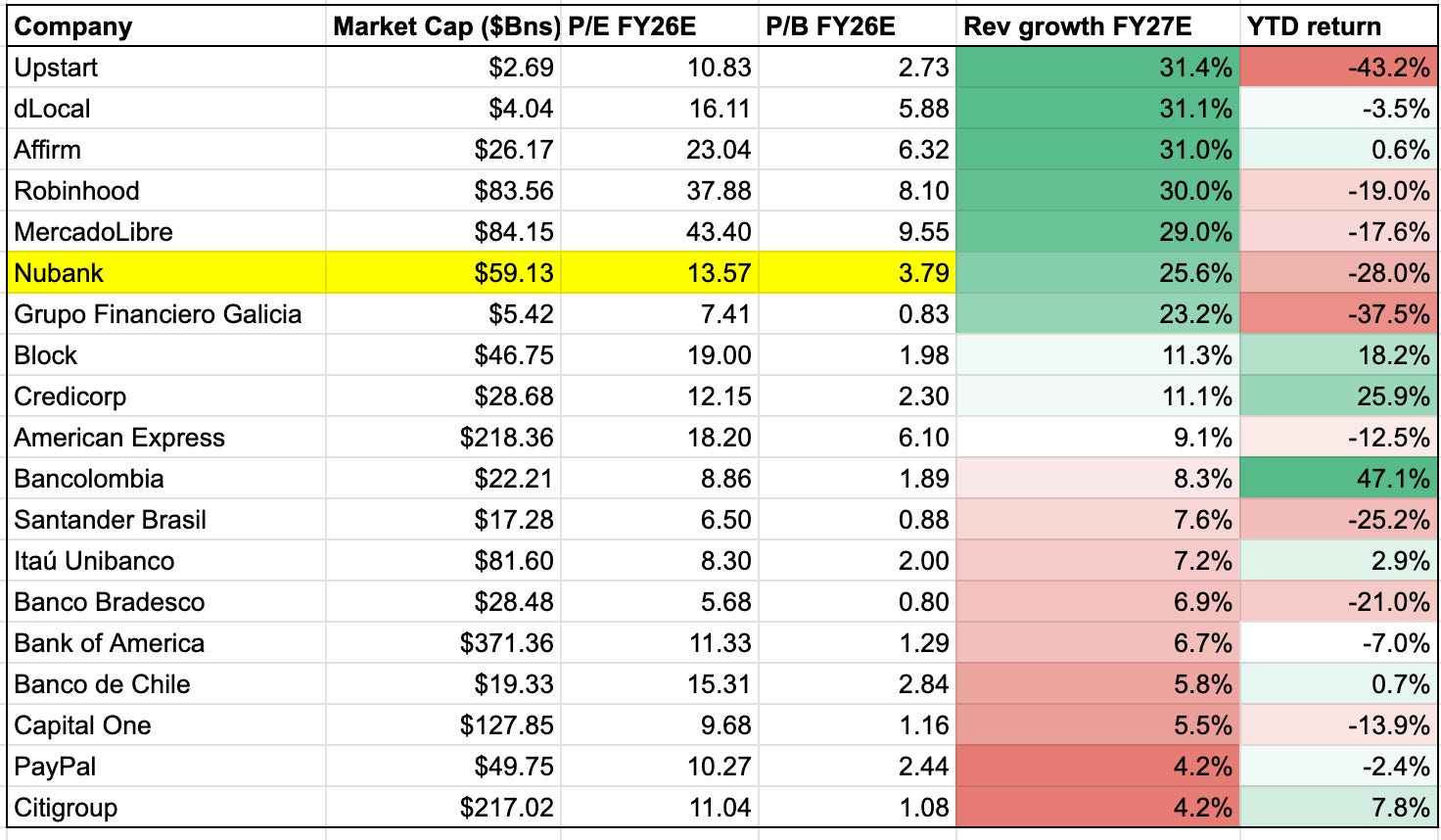
A particularly interesting company to follow is is Nubank. While Nubank originally started as a Brazilian bank, its expanding across several Latin American countries. Brazil still accounts for 90%+ of revenue, but CEO David Vélez is on a mission to go global. In a recent podcast with Invest Like the Best, Vélez said:
“Most people still identify Nubank as a Brazilian neobank… But when you go back in time and look at our seed deck in 2013… there’s nothing specific about Brazil or Latin America around the thesis. The thesis really is that global retail banking will be transformed by digitally native companies.”
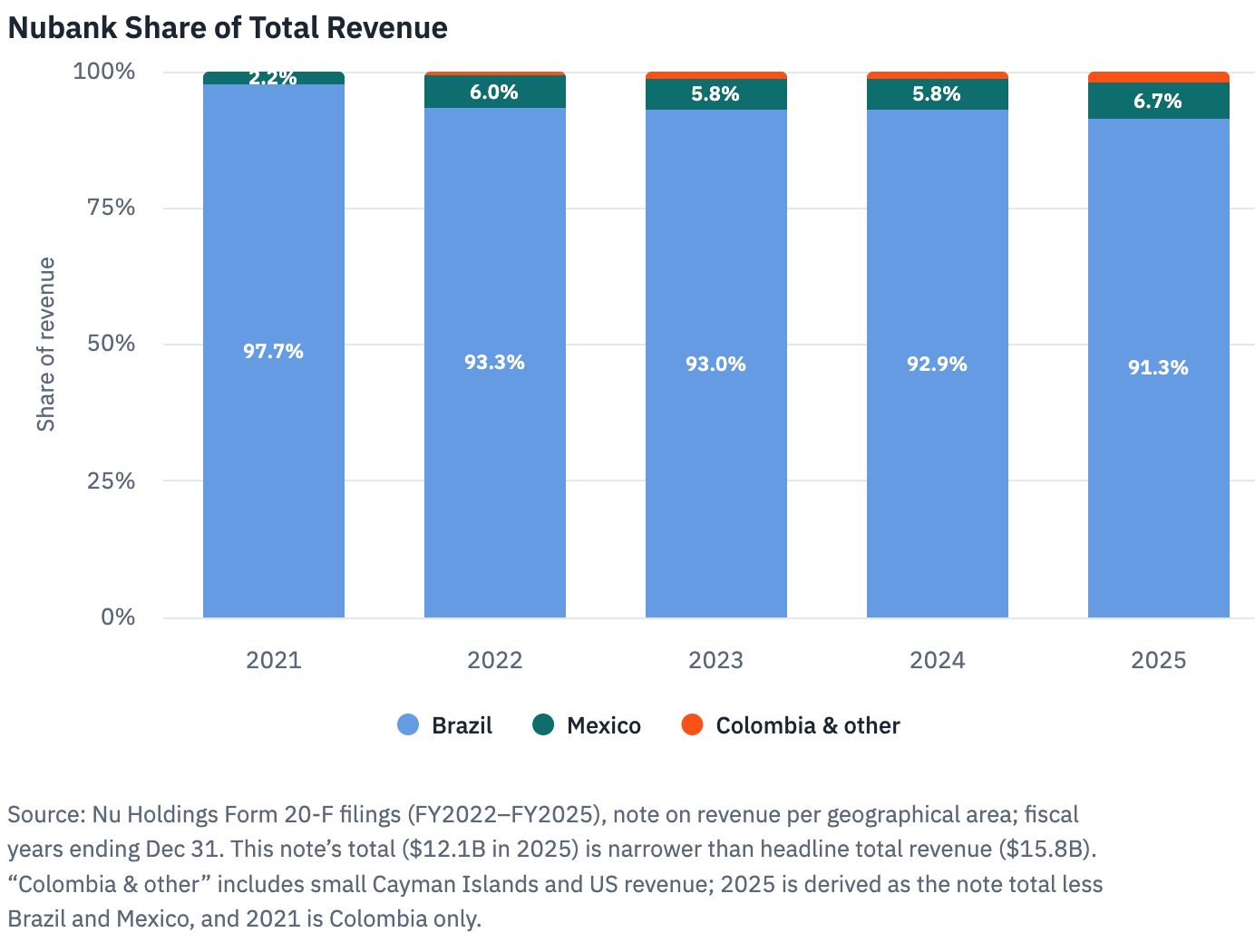
If there’s anyone that can deal with international affairs, It’s Vélez. Since Vélez is actually a Colombian-born citizen, he faced strict regulatory barriers from Brazil, which put extreme restrictions on foreign nationals starting banks. Velez had to wait 4 years and get a presidential exemption before Nubank could first hold consumer deposits.
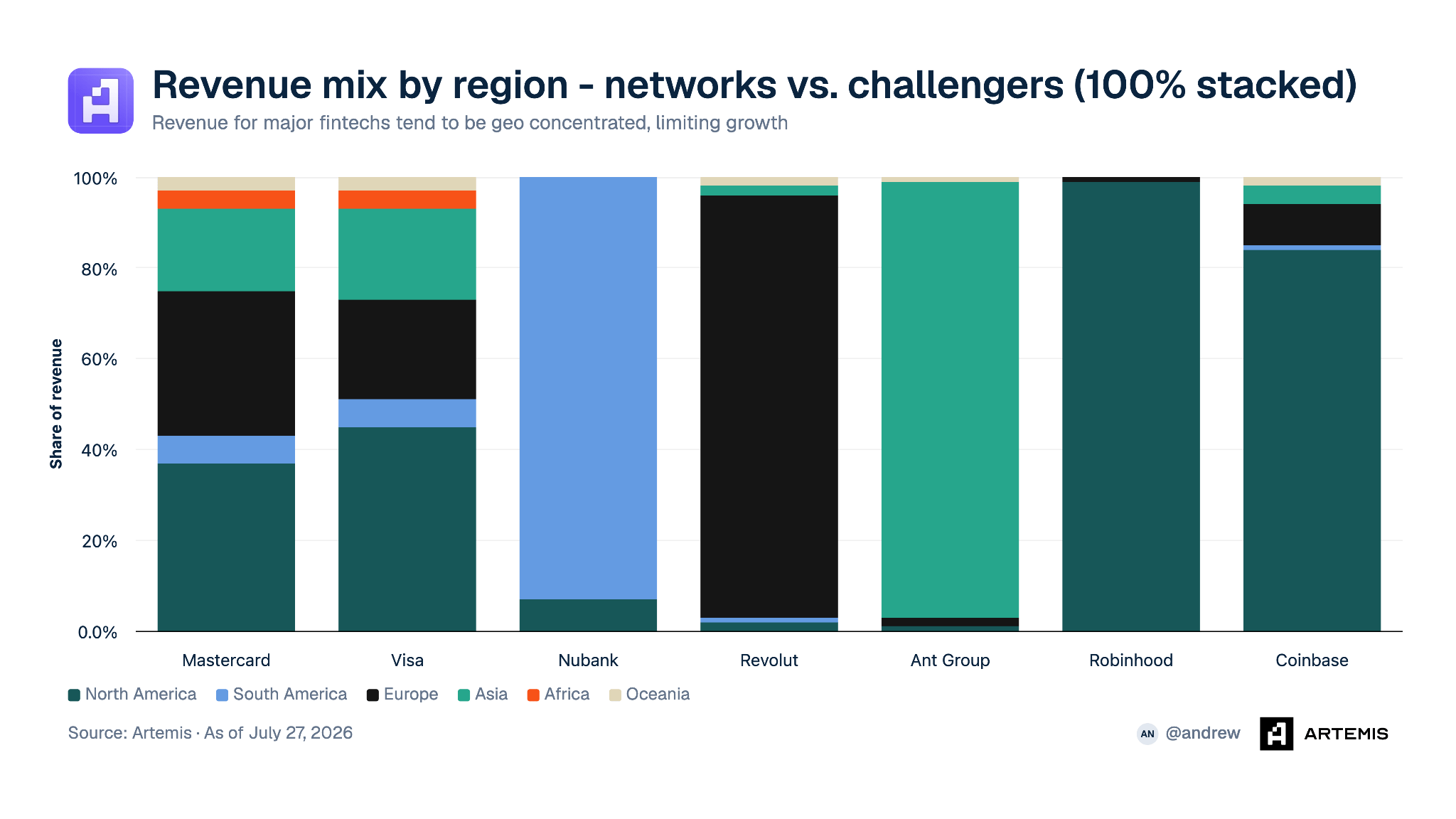
Very few fintechs have cracked the international code. Newly established banks like Nubank, Revolut and Robinhood all have their revenue highly concentrated in one continent, limiting their market cap. Companies like Mastercard and Visa have highly diversified revenue mixes and have hundred of billions of market cap. The biggest question for Nubank is can it diversify fast enough to put the Brazil concerns aside?
Comparable Table of Nubank vs Other Banks
Trade.xyz Gets a US Passport
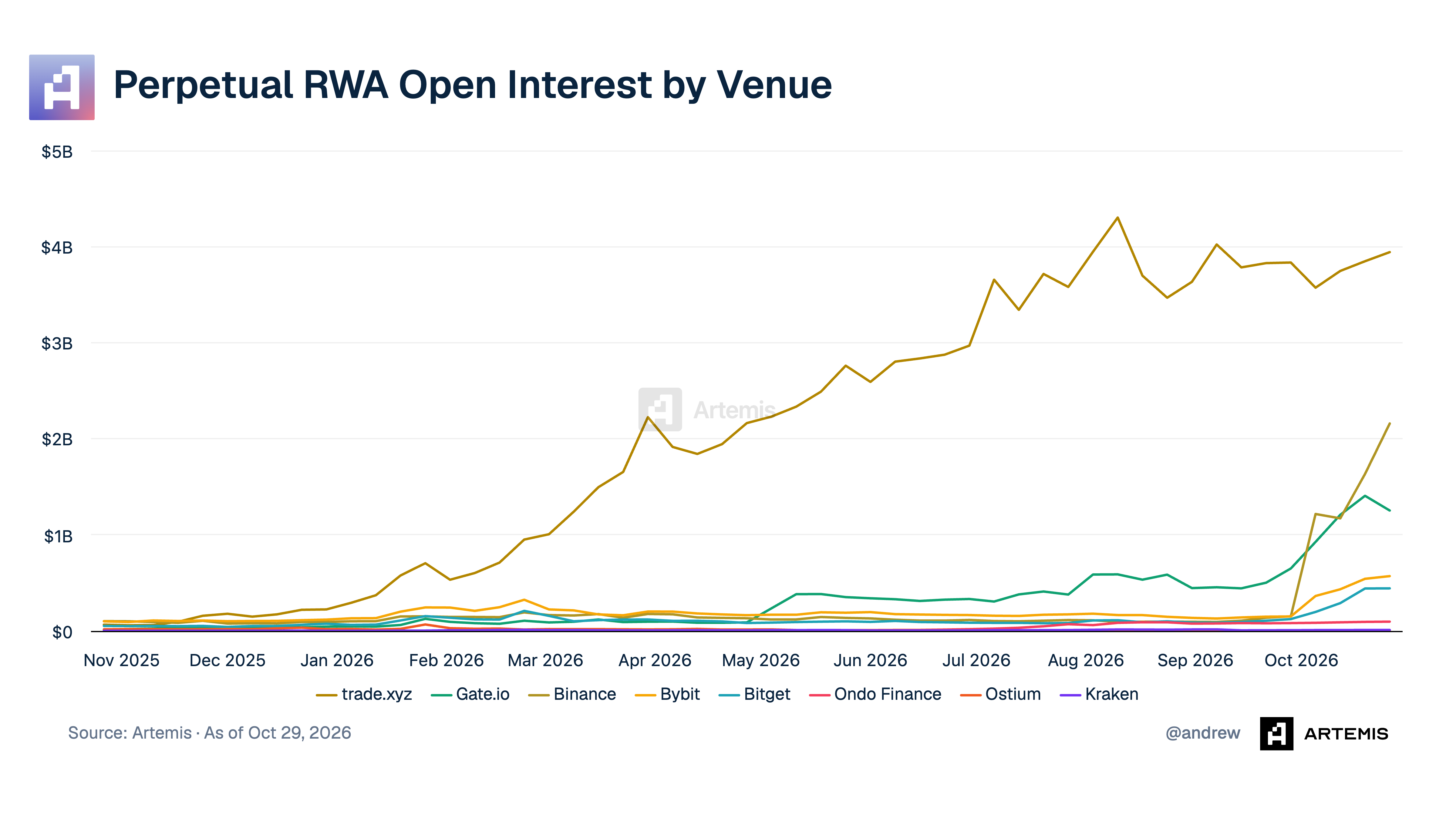
On Thursday, Trade.xyz announced the Intercontinental Exchange is making a strategic investment in the company and bringing “24/7 perpetual futures on Hyperliquid to the United States.” Trade.xyz has been an astonishing success, with over $650bn in volume in the past year, mostly in US equities.
The push into the US comes at a time when Trade.xyz has seen increasing competition. While open interest at Trade.xyz remains near all time highs, Binance recently started offering perpetual trading on equities and has seen stunning growth, from essentially $0 → $2bn in one month.
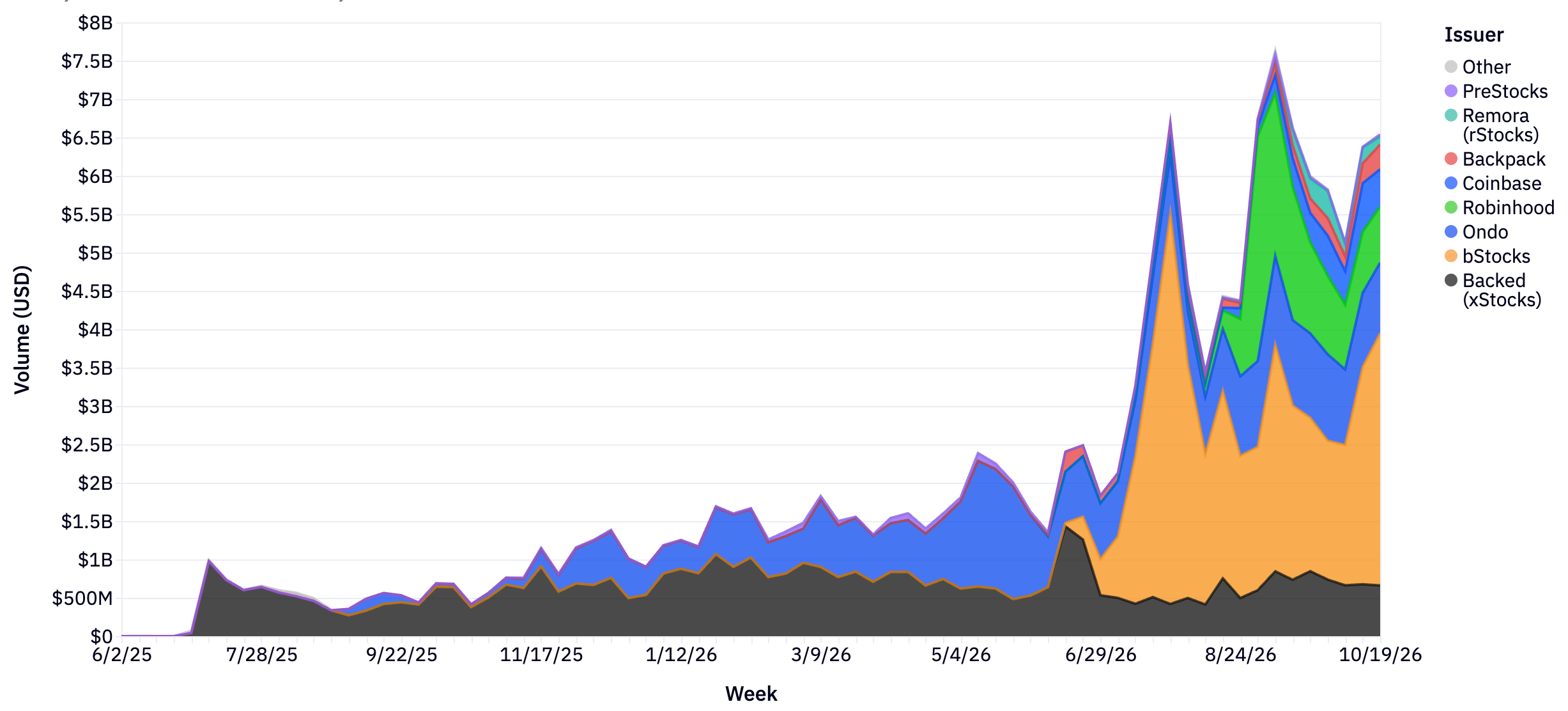
Binance is also leading in trading for spot tokenized equities as well. At the beginning of 2026, two companies (Backed and Ondo) dominated trading. After launching at the end of June, Binance has taken the top spot with over $3bn in tokenized equity trading per week.
Weekly Trading Volume by Tokenized Equity Issuer
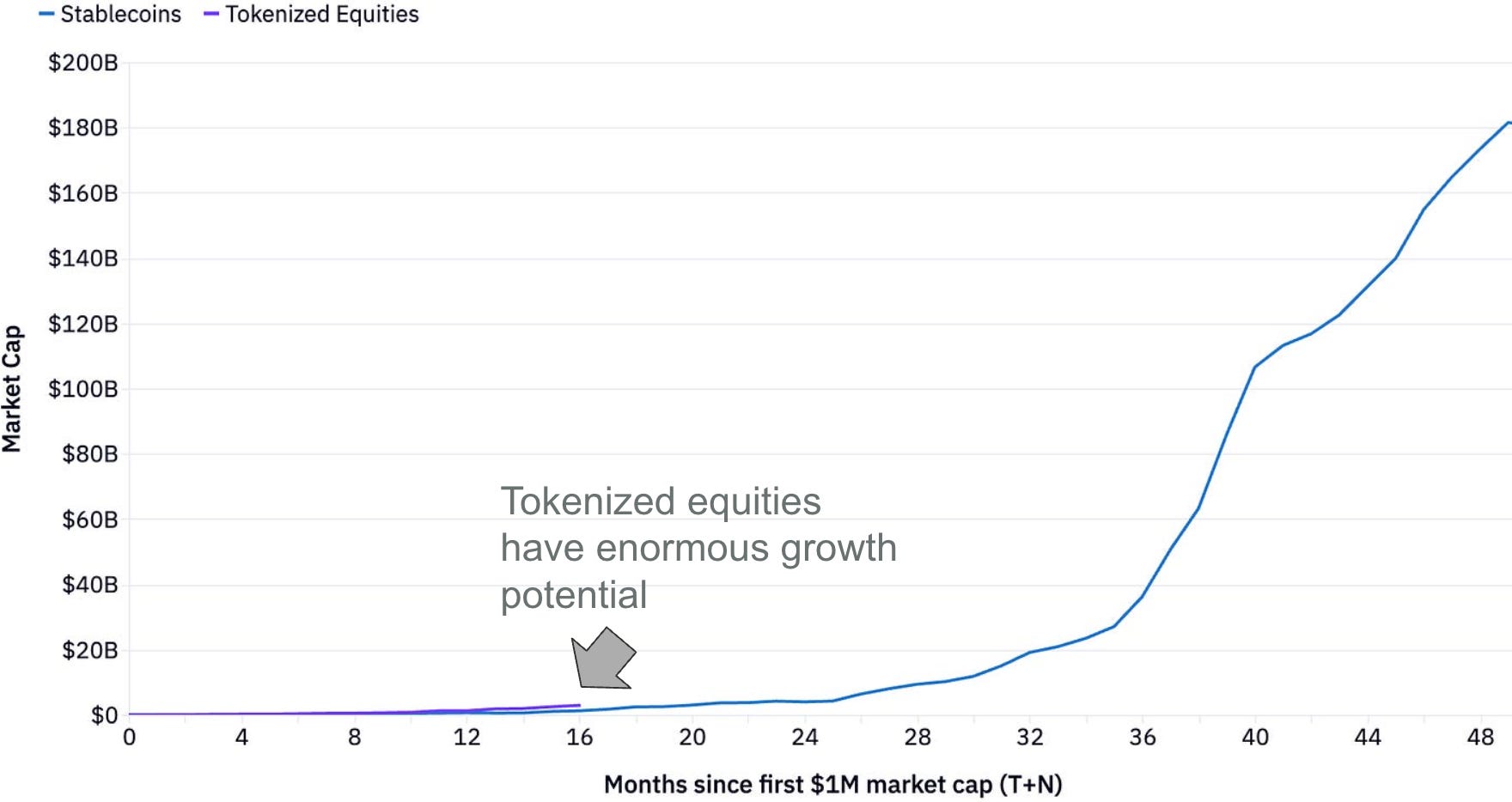
Either way, the market cap of tokenized onchain equities is nascent with extraordinary opportunity ahead. Comparing growth trajectories of stablecoins vs tokenized equities, tokenized equity market cap is twice as much as stablecoin supply 16 months after hitting $1mn in supply. Zooming out, it’s entirely possible tokenized equity market cap could be hundreds of billions of dollars in the coming years.
Stablecoin vs Tokenized Growth Trajectory by Market Cap
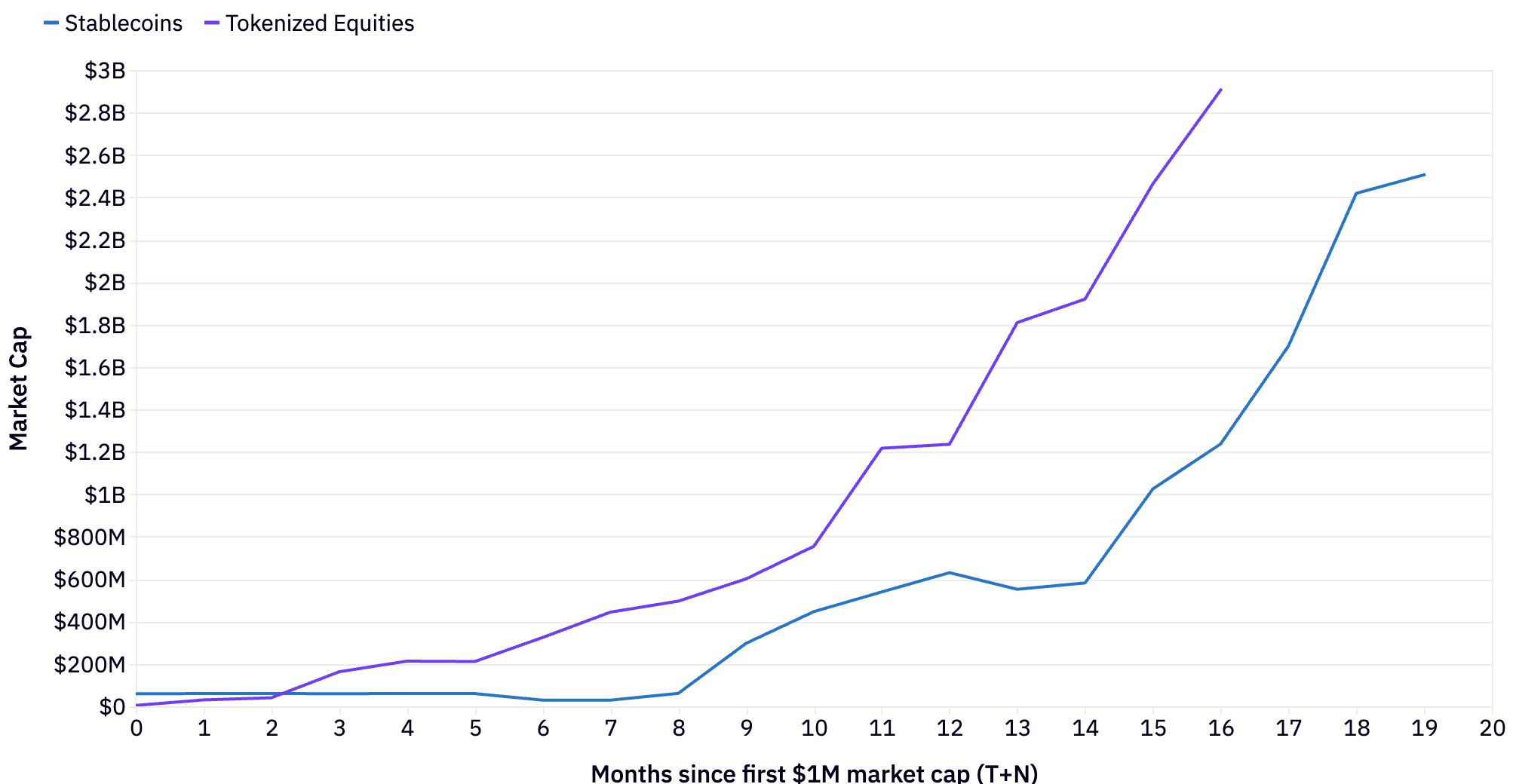
Stablecoin vs Tokenized Growth Trajectory by Market Cap
I hope you enjoyed our first week back and let us know if you have any feedback!
It’s 2026